Second Mortgage Foreclosure: Can You Lose Your NC Home With a Current First Loan?
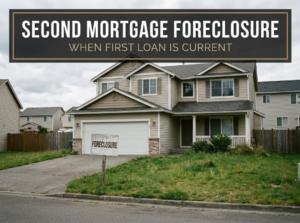
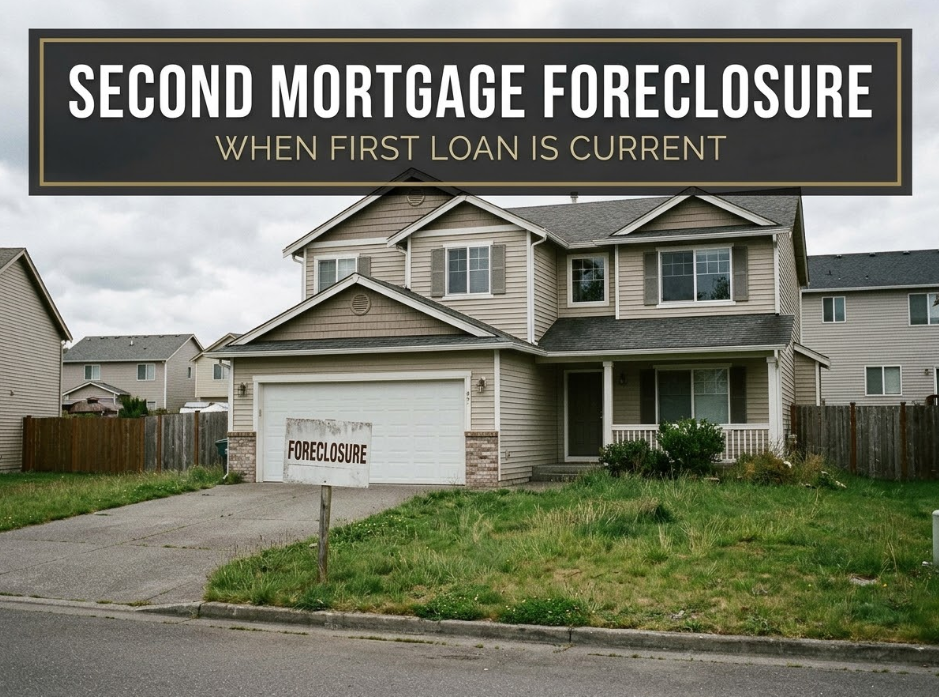
Second mortgage foreclosure can cost you your North Carolina home while the first loan remains current. A defaulted junior lien can trigger a separate sale, and the senior mortgage usually stays attached.
- Ownership: A current first mortgage does not protect you from a second lender’s sale.
- First loan: The senior lien typically survives, and your personal debt may remain.
- Next move: Verify the foreclosing lien, payoff figures, and court deadline immediately.
Can a Second Mortgage Holder Foreclose While the First Is Current?
Yes. A second mortgage holder may seek foreclosure after a qualifying default under its own promissory note and deed of trust. The first lender does not need to be in default.
- A second lender holds its own security interest, including through a home equity loan or HELOC.
- Before a sale, it must establish the right to foreclose and satisfy applicable North Carolina notice and hearing requirements.
- One missed payment does not automatically mean an auction is scheduled. The loan documents and notices determine what comes next.
- Low equity may discourage foreclosure, but it does not automatically prevent the lender from filing.
What Happens to the First Mortgage at a Second-Lien Auction?
In an ordinary junior deed of trust foreclosure, the first mortgage remains a senior lien. The buyer purchases ownership subject to that lien, rather than automatically receiving a mortgage-free house.
What changes |
What generally happens |
| Property ownership | Transfers to the successful buyer after the sale becomes final and the deed is delivered |
| Second mortgage lien | Is foreclosed through the sale, subject to applicable procedures |
| First mortgage lien | Remains secured against the property unless separately satisfied |
| Original first-loan borrower | Is not automatically released from personal liability |
- NC court precedent: Senior liens ordinarily survive a junior sale. Special sale arrangements can change this result; examine the notice.
A $300,000 House Can Produce Little Cash at a Junior Foreclosure
The surprising part is that the second lender’s auction need not generate enough money to pay off the first loan. Consider this hypothetical second mortgage foreclosure auction in North Carolina.
Item |
Illustrative amount |
| Home’s estimated market value | $300,000 |
| First mortgage balance | $205,000 |
| Second mortgage claim | $45,000 |
| Bid at second-lien foreclosure | $50,000 |
| Assumed sale expenses | $5,000 |
| Amount remaining after expenses and junior claim | $0 |
- After the auction: The buyer still faces the $205,000 first lien. The example illustrates why paper equity does not guarantee a surplus check.
Does the New Owner Take Over Your First Mortgage Payments?
Not automatically. The deed transfers an ownership interest, while the mortgage note defines who promised to repay the debt. A second-lien foreclosure does not itself release that original promise.
- The first lender can still enforce its senior security interest if the loan defaults, subject to applicable law.
- A buyer dealing with the senior lien is not necessarily a borrower approved under the original loan agreement.
- A transfer may raise due-on-sale questions under the first loan’s terms. Get legal advice about the actual contract.
What If the First Mortgage Forecloses Before the Second?
First and second mortgage foreclosure proceedings have different effects on lien priority. In an ordinary first-lien foreclosure, junior liens can be extinguished from the title, but the underlying debt is not necessarily forgiven.
Which lender forecloses? |
What ordinarily survives on the property? |
| First mortgage holder | Senior claims, if any; second lien generally extinguished |
| Second mortgage holder | The first mortgage and other superior liens |
- Debt may survive: A deficiency balance is not automatically forgiven. North Carolina anti-deficiency protections have exceptions, including for many HELOC and junior-lien situations.
How a Second Mortgage Foreclosure Moves Through North Carolina Courts
Most residential power-of-sale foreclosure cases begin with a notice of hearing filed by the trustee or substitute trustee. The clerk of superior court must authorize the sale after the required findings.
- Notice: Identify the particular deed of trust being enforced, its holder, the asserted default, and the hearing date.
- Hearing: The clerk considers the debt, default, authority to foreclose, proper notice, and other statutory requirements.
- Sale: If authorized, the trustee schedules and advertises the foreclosure auction under applicable rules.
- Finality: A completed auction remains subject to North Carolina’s upset-bid process before the purchaser’s rights become fixed.
- Check the official process: Read the North Carolina Judicial Branch foreclosure explanation alongside your court papers.
The 10-Day Upset-Bid Period Does Not Make Waiting Safe
North Carolina ordinarily allows a 10-day upset-bid period after the foreclosure sale. A qualifying higher bid starts another period. That does not guarantee you can reverse the outcome later.
- Ask the clerk whether a sale has occurred and when the current upset-bid period expires.
- Verify whether another bid extended that window, rather than using an outdated calendar date.
- Consult an attorney promptly about payment rights, injunctions, or challenges. Each has specific conditions and deadlines.
- Use our North Carolina foreclosure auction guide for a sale-date checklist.
How to Stop a Second Mortgage Foreclosure Before the Sale
The right solution depends on how much is overdue, whether the creditor has accelerated the debt, and how much equity remains. Stopping a second mortgage foreclosure requires an effective action, not a phone promise.
- Confirm the creditor: Request the current holder’s identity, servicing contact, payment history, and claimed default in writing.
- Request two figures: Obtain the amount to cure or reinstate, if available, and the full payoff including authorized expenses.
- Seek a workout: Ask about repayment arrangements, modification, or settlement. Keep first-mortgage payments current if possible.
- Compare funding cautiously: Another secured loan only helps when its payments, fees, and maturity are genuinely affordable.
- Ask about legal relief: A North Carolina foreclosure attorney can evaluate defenses or bankruptcy options where appropriate.
- Confirm legal requirements: Review the NC notice-and-hearing statute and our foreclosure timing guide.
Could Selling Before the Auction Preserve More of Your Equity?
A voluntary sale can produce a different financial result from a junior-lien auction. It generally requires resolving both mortgages at closing and obtaining acceptable title for the buyer.
Illustrative voluntary sale |
Amount |
| Sale price | $300,000 |
| First mortgage payoff | -$205,000 |
| Second mortgage payoff | -$45,000 |
| Selling and closing costs | -$20,000 |
| Estimated seller proceeds | $30,000 |
- Comparison only: These numbers are hypothetical, not an offer. Closings require sufficient time and approved lien payoffs. Read our NC lien-sale guide for more.
Where Fix It Money Fits Into the Decision
At Fix It Money, we review Carolina homeowners’ property situations involving foreclosure risk, private funding, and possible direct sales. We are not a court, law firm, or your mortgage servicer.
- If retaining the house is realistic, explore the figures behind our foreclosure assistance options and any qualifying funding discussion.
- If selling would protect more remaining equity, compare an as-is home sale with estimated retail proceeds and the approaching deadline.
- If a mortgage takeover is proposed, understand that transferring title does not automatically release the original borrower from the note. Review how that option works with independent counsel.
- Charlotte-area owners: Our local foreclosure assistance page describes available property reviews; actual solutions depend on the case.
Check Your First Loan, Second Loan, and Sale Date Together
The wrong assumption is that paying the first mortgage protects you from every other secured creditor. Second mortgage foreclosure laws allow separate enforcement, with different consequences for title and debt.
- Collect: Both loan statements, recorded lien details, the foreclosure papers, and an estimated property value.
- Compare: A workout, full payoff, affordable funding, and sale proceeds before signing anything.
- Request a review: See our process and contact Fix It Money with your actual hearing or auction date.